
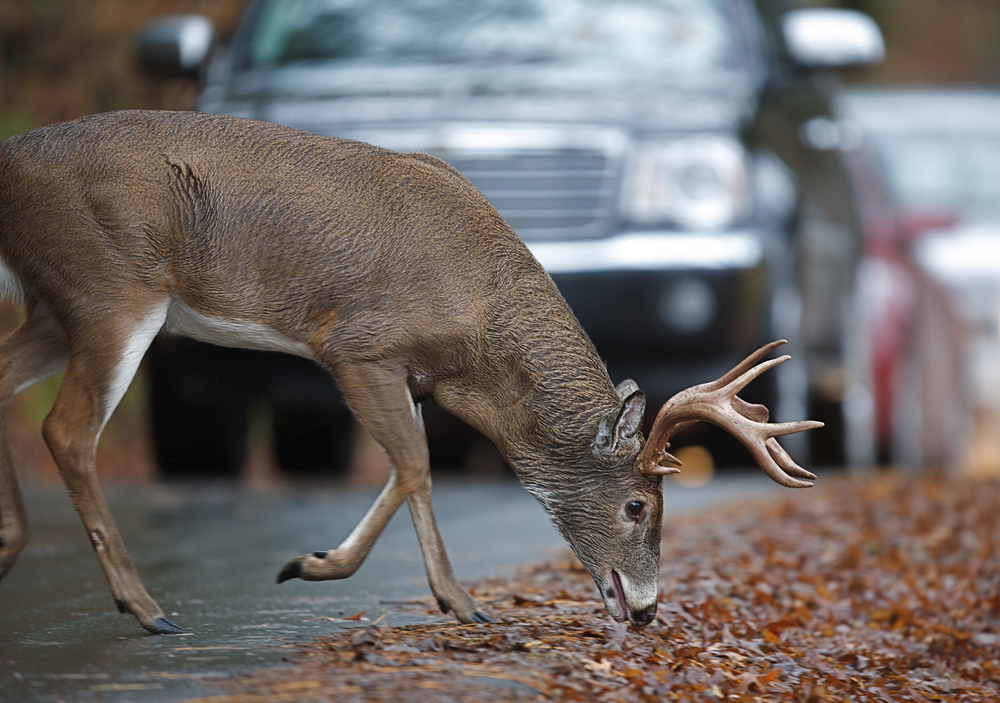
South Carolina Car Accidents – Car vs. Deer
Living in a state like South Carolina that is rich in wildlife has its benefits as well as its risks. According to the latest figures from State Farm, South Carolina ranks No. 12 nationally in the number of deer-related motor vehicle collisions.
When a car crash is caused by a deer, you will probably need to make a claim with your own auto insurance company to cover the damage. There are cases, however, when multi-vehicle crashes involve animals and other complications might shift negligence.
Car vs. Deer Accident Statistics
The pervasive and escalating issue of car vs. deer accidents has drawn significant attention from safety organizations across the U.S. The sheer frequency of these dangerous collisions prompted a detailed study by the National Highway Traffic Safety Administration (NHTSA), which found that approximately 1.5 million deer-related accidents occur annually. These figures are alarming, not only for the number of crashes but also for the resulting human toll and economic burden. The study determined that these accidents result in as many as 200 human fatalities and over 10,000 injuries each year, highlighting the serious public safety risk.
Beyond the loss of life and human suffering, the financial impact is staggering. The property damage cost alone from these widespread collisions is estimated to exceed $1 billion annually. With the average insurance claim for a deer-vehicle collision hovering around , these incidents place a substantial burden on individual drivers, insurance companies, and the national economy.
A primary factor contributing to this rising trend is the persistent increase in human development. Urban sprawl and expansion continue to encroach upon the natural habitats of deer. As human populations grow and infrastructure spreads, the deer’s range is reduced, forcing them into closer contact with roads and high-traffic areas. These environments create a perfect storm for collisions, particularly in suburban and rural-urban fringe areas. The proximity of wooded or brushy areas to fast-moving roadways acts as a frequent ambush point, where deer can suddenly dart into a driver’s path.
The risk for drivers varies significantly by location and time of year. For instance, in states like South Carolina, the odds of hitting a deer are estimated to be about one in 93. However, this risk is not evenly distributed throughout the year. The chances of a collision increase significantly—by a factor of three in some regions—during the months of October, November, and December. This peak coincides with the deer’s mating season, or rut, when bucks are highly mobile in search of does, and both sexes exhibit more unpredictable behavior. Furthermore, increased deer movement due to hunting season and seasonal migration routes contributes to this heightened risk. Most collisions tend to occur during the hours of dusk and dawn, when low visibility combines with the peak periods of deer activity.
To mitigate this pervasive risk, authorities advocate for a combination of environmental and behavioral strategies. For drivers, increased alertness, especially during high-risk seasons and times of day, is critical. Using high beams when safe to illuminate the roadside, slowing down in designated “Deer Crossing” areas, and understanding that deer often travel in groups are all essential defensive driving tactics. For large-scale solutions, transportation agencies are exploring engineering measures like wildlife fencing paired with overpasses or underpasses to funnel animals safely across busy roadways. These measures, though costly, are often considered the most effective way to separate wildlife from vehicles and prevent the tragic and expensive consequences of deer-vehicle accidents.
Preventing Deer-Related Crashes
Deer-related crashes have become so prevalent in the U.S. that scientists at the University of Washington have suggested releasing cougars into the wild to cull deer populations. Whether South Carolina decides to increase its cougar population or not, there are several ways that drivers can exercise more caution and prevent deer-related crashes.
Deer are the most active in the morning between 5:00 – 8:00 a.m. and the evening between 6:00 – 10:00 p.m. There is often little to no warning that a deer is getting ready to cross a road, so it is important that drivers are alert during these times and also understand their surroundings.
According to the South Carolina Department of Natural Resources, motorists that drive in rural areas should pay special attention to habitats along the roadways. For example, changes in habitats such as a creek bed to a field or a woodland area are prime areas for deer to cross a roadway. Other ways to prevent deer-related crashes include:
- Watch for Deer Crossing Signs. These signs aren’t just placed in random locations. They mark areas of the road that deer are known to cross.
- Slow Down. Drive at slower speeds during dawn and dusk hours when deer are known to be more active. Also, remember that deer often travel in packs so if you see one animal there may be others in the vicinity.
- Use High Beams. Your vehicle’s high beams can help you spot deer more quickly, which can give you the best opportunity to slow down as you approach.
- Don’t Swerve! It’s an automatic response to swerve out of the pathway of an animal that darts out into the path of your vehicle. Experience proves that the property damage and injuries caused by car vs. deer accidents are more severe when the driver swerves to avoid hitting the animal. When you swerve to avoid a head-on collision, you could put yourself and your passengers in even greater peril. You could end up in the other lane and hit another car head-on, potentially injuring or killing yourself and other passengers. You could also run off the road and hit an object such as a tree or trigger a rollover accident by swerving. The best thing to do when a deer runs into the road is to slow down as much as possible and then allow your car to hit the deer.
What to Do if You Hit a Deer
Even when you are as careful as possible, you may find yourself in an unavoidable car vs. deer accident. If that happens, pull over to the side of the road if you can. Stay away from the injured deer and call the police to let them know about the accident. Take photos of the damage and document any injuries. Contact your insurance provider and consult with an experienced car accident attorney.
Options for South Carolina Residents Injured in Car vs. Deer Collisions
A majority of car vs. deer collisions are clear cut cases regarding property damage. Most insurance companies will pay for damage under the driver’s comprehensive coverage, although injuries to passengers are another story. If anyone was injured in the accident or if there were multiple vehicles involves in the crash, there might be issues with proving negligence or getting an insurance company to pay what is owed. Because of these facts it is important to have an experienced South Carolina auto accident and personal injury attorney in your corner. If you’ve been injured in a deer-related car crash, contact Peake & Fowler at (803) 788-4370 today to discuss the details of your accident.