
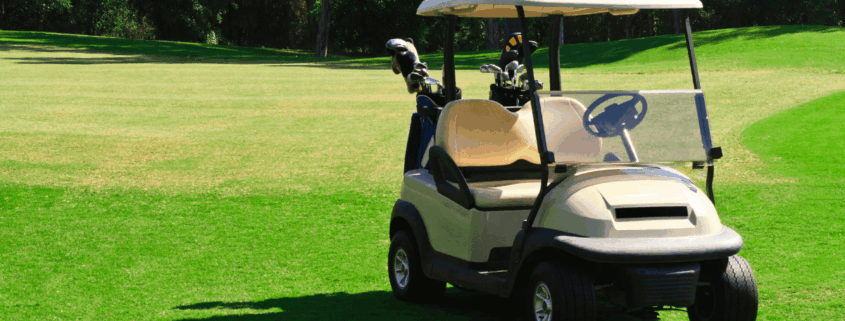
South Carolina Golf Cart Accident Lawyers
South Carolina’s scenic beauty, from its coastal communities to its lush golf courses, often invites residents and visitors to embrace a more relaxed mode of transport: the golf cart. While these vehicles offer a convenient and enjoyable way to navigate neighborhoods, beaches, and recreational areas, they are not without risks. An increasing number of golf cart accidents on South Carolina roadways and private properties have led to serious injuries and, tragically, even fatalities.
Common Causes of Golf Cart Accidents
Golf cart accidents can arise from a variety of factors, often involving a combination of driver negligence, vehicle defects, or environmental conditions. Even though golf carts typically operate at lower speeds, the lack of substantial safety features can lead to significant harm in a collision or rollover.
Some of the most frequent causes of golf cart mishaps include:
Driver Inexperience or Negligence: Many golf cart operators may not have the same level of driving experience or training as they would for a standard automobile. This can lead to:
- Improper Turns: Misjudging turns, leading to rollovers or collisions with stationary objects.
- Overloading: Exceeding the golf cart’s passenger or weight capacity, which impairs stability and control.
- Distracted Driving: Operating a golf cart while using a cell phone, eating, or engaging in other distracting activities.
- Driving Under the Influence: Just like with cars, operating a golf cart while impaired by alcohol or drugs significantly increases the risk of an accident. South Carolina law applies DUI/DWI statutes to golf cart operators on public roads.
Reckless Operation: Despite their seemingly benign nature, golf carts can be driven recklessly, particularly by younger operators or those unfamiliar with their limitations. This can involve:
- Excessive Speed: Driving too fast for conditions, especially on turns or uneven terrain.
- Sharp Maneuvers: Abrupt turns or sudden stops that can eject passengers or cause rollovers.
- Driving on Inappropriate Surfaces: Operating golf carts on public roads where they are not permitted, or on challenging off-road terrain.
Pedestrian or Bystander Accidents: Golf carts, especially in crowded areas like golf courses, resorts, or festivals, can pose a danger to pedestrians. Accidents may occur due to:
- Lack of awareness by the operator of pedestrians in their path.
- Blind spots that obscure pedestrians.
- Children running into the path of a golf cart.
Vehicle Defects or Malfunctions: Not all golf cart accidents are due to operator error. Sometimes, a defect in the golf cart itself can be the root cause. This could include:
- Brake Failure: Malfunctioning brakes that prevent the operator from stopping in time.
- Steering Mechanism Defects: Issues with the steering that lead to a loss of control.
- Accelerator Malfunctions: A stuck accelerator pedal causing unintended acceleration.
- Tire Blowouts: Defective tires that fail at speed.
- Design Flaws: Inherent design problems that make the golf cart unstable or prone to rollovers.
Poorly Maintained Properties: Accidents can also stem from the conditions of the property where the golf cart is being operated. This includes:
- Uneven Terrain: Potholes, sudden drops, or excessively bumpy paths.
- Lack of Proper Signage: Insufficient warnings for hazards or restricted areas.
- Poor Lighting: Inadequate illumination on paths or roads, especially at night.
- Obstructions: Debris, fallen branches, or other obstacles in the path of the golf cart.
Severity of Golf Cart Accident Injuries
Despite their low speed, golf carts offer minimal protection to occupants in a collision or rollover. Unlike automobiles, they lack airbags, seatbelts (in many models, or often unused), and robust protective frames. This exposes occupants directly to the force of impact, leading to severe injuries.
Common injuries sustained in golf cart accidents include:
- Head and Brain Injuries: Without proper head protection, occupants can suffer concussions, traumatic brain injuries (TBIs), and skull fractures from impacts or being thrown from the cart.
- Spinal Cord Injuries: Forces from a collision or rollover can result in herniated discs, fractured vertebrae, or severe spinal cord damage, potentially leading to partial or complete paralysis.
- Bone Fractures: Arms, legs, ribs, and other bones are susceptible to fractures from direct impact or from occupants being pinned under the vehicle.
- Lacerations and Abrasions: Being thrown from the cart or dragged can cause severe cuts, road rash, and disfigurement.
- Soft Tissue Injuries: Whiplash, sprains, strains, and other muscle or ligament damage are common, often leading to chronic pain and reduced mobility.
- Internal Injuries: Blunt force trauma can cause damage to internal organs, leading to internal bleeding or organ rupture, which may require emergency surgery.
- Amputations: In extreme cases, limbs can be crushed or severely damaged, necessitating amputation.
- Wrongful Death: Tragically, some golf cart accidents result in fatalities, leaving families to cope with immense loss.
The long-term consequences of these injuries can be devastating, leading to extensive medical treatments, rehabilitation, lost income, and a significant impact on quality of life.
Legal Responsibility in South Carolina Golf Cart Accidents
Determining who is legally responsible for a golf cart accident can be a complex process, as liability can rest with multiple parties depending on the circumstances. South Carolina law governs the operation of golf carts, particularly on public roadways, and these regulations play a significant role in establishing fault.
Potential parties who may be held accountable include:
The Golf Cart Operator: If the accident was caused by the driver’s negligence, recklessness, or impairment, they can be held liable. This applies whether the accident occurred on a golf course, in a residential community, or on a public street where golf cart operation is permitted.
Golf Cart Owner: The owner of the golf cart may be liable if they knowingly allowed an unqualified or impaired individual to operate the vehicle, or if they failed to properly maintain the cart.
Property Owners/Operators:
- Golf Courses: If an accident occurs on a golf course due to poorly maintained paths, hidden hazards, or inadequate signage, the golf course management or owner could be held responsible.
- Residential Communities/HOAs: Homeowners’ associations or community management may be liable if an accident results from unsafe common areas, roads, or pathways under their control.
- Private Property Owners: If a golf cart accident happens on private land due to a hazard the owner knew or should have known about, the property owner might be liable.
Golf Cart Manufacturers/Distributors: If a mechanical defect or design flaw in the golf cart contributed to the accident, the manufacturer, distributor, or even the retailer could be named in a product liability claim. These cases often involve extensive investigation and expert testimony.
Rental Companies: If the golf cart was rented, the rental company might bear some responsibility if they failed to maintain the vehicle, provided inadequate instructions, or rented a defective cart.
Other Drivers: If the golf cart accident involved another motor vehicle, the driver of that vehicle could be liable if their negligence contributed to the collision.
South Carolina Golf Cart Laws
South Carolina has specific laws governing the operation of golf carts, particularly when they are driven beyond private property. Adherence to these laws is essential for safety and can impact liability in an accident.
Key regulations include:
- Registration and Permitting: Golf carts operated on public roads must be registered with the South Carolina Department of Motor Vehicles (SCDMV) and display a permit decal.
- Operator Requirements: Only individuals who are at least 16 years old and hold a valid South Carolina driver’s license may operate a golf cart on public roads.
- Roadway Restrictions: Golf carts are generally restricted to secondary highways or streets with a posted speed limit of 35 mph or less. They can only be operated during daylight hours, unless equipped with headlights, tail lights, and turn signals.
- Distance from Residence/Course: Golf carts may be driven within four miles of the driver’s home or rented accommodation, or within four miles of the entrance to a golf course or gated community.
- Insurance: While not explicitly required by state law for golf carts, having insurance is strongly advised. Many homeowners’ insurance policies may offer some coverage, but dedicated golf cart insurance can provide more comprehensive protection.
- DUI/DWI Laws: Operating a golf cart while under the influence of alcohol or drugs is illegal and carries the same penalties as operating a motor vehicle under the influence.
A violation of these laws by a golf cart operator can be used as evidence of negligence in a personal injury claim.
Recoverable Damages in South Carolina Golf Cart Accident Cases
Individuals injured in a golf cart accident due to the fault of another party may be entitled to seek compensation for their losses. The goal of a personal injury claim is to make the injured party whole again, as much as possible, by covering all damages incurred.
Damages commonly pursued in South Carolina golf cart accident claims include:
- Medical Expenses: This encompasses all costs related to injury treatment, from emergency room visits and ambulance fees to surgeries, hospital stays, prescription medications, physical therapy, rehabilitation, and future medical care necessitated by the accident.
- Lost Income: If injuries prevent you from working, you can seek compensation for wages lost during your recovery period. This also includes compensation for diminished earning capacity if the injuries result in a permanent disability that limits your ability to work or earn at your previous level.
- Pain and Suffering: This non-economic damage covers the physical pain and emotional distress endured as a result of the accident and injuries. While challenging to quantify, it accounts for the impact on your daily life, hobbies, and overall well-being.
- Emotional Trauma: Beyond physical pain, accident victims often experience psychological distress, including anxiety, depression, PTSD, and fear of operating or being near golf carts again. Compensation for emotional trauma recognizes these profound impacts.
- Property Damage: This covers the cost of repairing or replacing your damaged golf cart, as well as any other personal property damaged in the accident (e.g., clothing, electronic devices).
- Loss of Enjoyment of Life: If your injuries prevent you from participating in activities you once enjoyed, such as sports, hobbies, or social events, you may be compensated for this loss.
- Punitive Damages: In rare cases, if the at-fault party’s conduct was particularly egregious, reckless, or intentional, punitive damages may be awarded. These damages are designed to punish the wrongdoer and deter similar conduct in the future, rather than to compensate the victim for a specific loss. In South Carolina, punitive damages are subject to certain caps, though exceptions exist for extreme misconduct.
What to Do After a South Carolina Golf Cart Accident
The moments following a golf cart accident can be disorienting, but the actions you take immediately afterward can significantly impact your ability to pursue a successful personal injury claim.
Here are important steps to consider:
Ensure Safety: First, check yourself and others for injuries. Move to a safe location away from traffic if possible.
Call the Police: Always contact law enforcement, especially if there are injuries, fatalities, or significant property damage. A police report documents the accident, assesses fault, and can be valuable evidence. South Carolina law requires reporting accidents involving injuries, death, or property damage exceeding $1,000.
Gather Information: If you are physically able, collect details from everyone involved:
- Names, phone numbers, and addresses of all parties.
- Insurance information, license plate numbers, and driver’s license details of all operators.
- Names and contact information of any witnesses.
Document the Scene: Use your phone to take photographs and videos of:
- The accident scene from multiple angles.
- Damage to the golf cart and any other vehicles or property involved.
- Any visible injuries.
- Road conditions, skid marks, traffic signs, or other relevant environmental factors.
Seek Medical Attention: Even if you feel fine, some injuries may not be immediately apparent. See a doctor as soon as possible. Prompt medical documentation is vital for your health and for establishing a link between the accident and your injuries. Follow all medical advice and keep detailed records of your treatment.
Do Not Admit Fault: Avoid making statements that could be interpreted as admitting fault, even if you are unsure of what happened. Do not apologize or speculate on the cause of the accident.
Limit Communication with Insurance Companies: Be cautious when speaking with insurance adjusters from the at-fault party. They may try to get you to make recorded statements or accept a quick, lowball settlement. It is always best to consult with an attorney before providing any statements or signing any documents.
Contact a South Carolina Golf Cart Accident Attorney: The sooner you connect with an attorney, the better. They can advise you on your rights, help you gather evidence, and handle all communications with insurance companies on your behalf.
Contact a South Carolina Golf Cart Accident Attorney
If you or a loved one has suffered injuries in a golf cart accident in South Carolina, navigating the legal complexities can add significant stress to an already challenging time. The team at Peake & Fowler understands the intricacies of golf cart accident claims and is dedicated to protecting the rights and interests of injured individuals and their families. We offer a free, no-obligation consultation to discuss your specific situation and provide clear, practical guidance on your legal options.
Do not hesitate to seek the legal counsel you need. Call Peake & Fowler today at 803-788-4370 to schedule your consultation or send us a secure and confidential message through our web contact form.