
How Long Does the Emotional Shock Last after a South Carolina Motorcycle Accident?
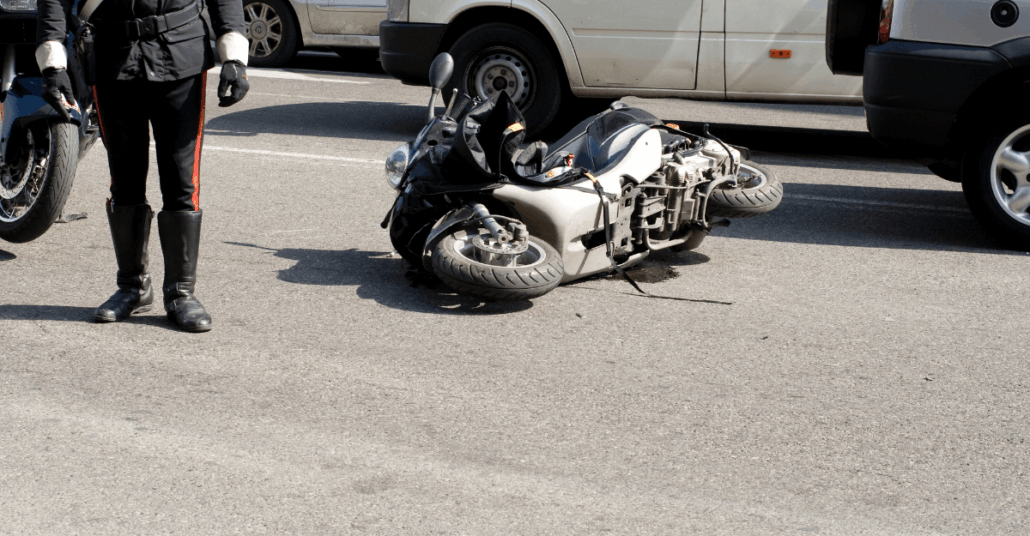
The immediate aftermath of a motorcycle accident is a blur of twisted metal, screeching tires, and the blare of sirens. Your first thoughts are about physical injuries—broken bones, road rash, and internal damage. But long after the physical wounds begin to heal, a different kind of injury can linger. It is the emotional shock, a silent and often overlooked consequence of a traumatic event. While a cast on a broken arm is a visible sign of injury, the psychological impact is invisible, yet it can be just as debilitating and last far longer.
For riders in South Carolina, the open road represents freedom, but an accident can transform that feeling into one of vulnerability and fear. The financial strain from missed work and medical bills is a heavy burden, but the emotional weight can feel even heavier.
What is Emotional Shock?
Emotional shock, often referred to as an acute stress reaction, is the mind’s immediate response to a terrifying or traumatic event. It is a form of mental and emotional overload. Your brain, in an attempt to protect itself from the full force of the trauma, can create a sense of detachment or disbelief. This is not a sign of weakness; it is a natural survival mechanism.
The symptoms of emotional shock can manifest in various ways and may not appear immediately. Some common signs include:
- Denial or Disbelief: A persistent feeling that the accident did not really happen or was not as severe as it was.
- Confusion and Disorientation: Difficulty concentrating, remembering details of the event, or making simple decisions.
- Anxiety and Fear: A constant state of high alert, jumpiness, or an overwhelming sense of dread, especially when thinking about the accident or seeing motorcycles.
- Emotional Numbness: Feeling detached from your emotions, your surroundings, and even your loved ones.
- Irritability and Agitation: Experiencing sudden mood swings, anger, or impatience over minor issues.
- Withdrawal: Isolating yourself from friends, family, and activities you once enjoyed.
- Physical Symptoms: Headaches, fatigue, digestive issues, and a racing heart can all be physical manifestations of emotional shock.
Why Can the Emotional Impact Be So Severe for Motorcyclists?
While any vehicle collision is traumatic, motorcycle accidents present unique factors that can intensify the emotional aftermath. The very nature of riding a motorcycle exposes you to a higher level of risk and a more direct, visceral experience during a crash.
- Lack of Physical Protection: Unlike occupants of a passenger car who are surrounded by a steel frame, airbags, and seatbelts, a motorcyclist’s only protection is their gear. This heightened vulnerability can lead to more severe physical injuries, which in turn deepens the psychological trauma.
- Direct Exposure to the Event: A rider is not shielded from the sights and sounds of the impact. They experience the event in a much more direct and personal way, which can make the memories more vivid and intrusive.
- The Sensation of Falling: The act of being thrown from a motorcycle is a terrifying experience that can embed a deep-seated fear of losing control.
- Unfair Bias: Motorcyclists sometimes face an unfair stereotype of being reckless. This bias can emerge from other drivers, law enforcement, and even insurance adjusters, adding a layer of frustration and injustice to an already traumatic experience.
How Long Does Emotional Shock Typically Last?
This is one of the most common questions we hear, and the honest answer is: there is no set timeline. The duration of emotional shock and its aftereffects varies significantly from person to person. For some, the most intense feelings may subside within a few days or weeks as they begin to process the event. For others, the shock can be the beginning of a much longer journey with emotional and psychological challenges.
Several factors can influence the length and intensity of your emotional recovery:
- The Severity of the Accident and Injuries: Catastrophic accidents that cause permanent disability, disfigurement, or chronic pain are more likely to result in prolonged emotional trauma.
- Your Support System: Having a strong network of supportive family and friends can make a significant difference in how you cope.
- Your Personal History: Previous experiences with trauma can sometimes make a person more vulnerable to the psychological effects of a new traumatic event.
- Access to Professional Help: Seeking therapy or counseling from a mental health professional experienced in trauma can provide you with the tools to process the event and mitigate long-term effects.
From Emotional Shock to Long-Term Conditions
In many cases, the initial phase of emotional shock can evolve into more defined and persistent mental health conditions if not properly addressed. It is important to recognize the signs that you may need additional support.
Post-Traumatic Stress Disorder (PTSD): This is a condition that can develop after experiencing a terrifying event. Symptoms specific to a motorcycle accident might include:
- Intrusive Memories: Unwanted and distressing flashbacks, nightmares, or vivid memories of the accident.
- Avoidance: Actively avoiding anything that reminds you of the trauma, such as the location of the crash, talking about the event, or even getting near a motorcycle.
- Negative Changes in Mood: Persistent feelings of fear, anger, guilt, or shame. You may also feel detached from others and lose interest in activities you once loved.
- Hypervigilance: Being easily startled, feeling constantly on edge, having trouble sleeping, or experiencing angry outbursts.
Anxiety and Phobias: It is common to develop a generalized anxiety disorder after a serious accident. You may also develop specific phobias, such as amaxophobia (fear of being in a vehicle) or a profound fear of riding a motorcycle ever again, even if you were a passionate rider before the crash.
Depression: The combination of physical pain, financial stress, and the emotional toll of the accident can lead to clinical depression. Symptoms include persistent sadness, loss of energy, feelings of hopelessness, and changes in sleep or appetite.
Documenting an “Invisible” Injury for a Legal Claim
Proving the existence and extent of emotional trauma is a fundamental part of a personal injury claim, but it requires a different type of evidence than a broken bone. You cannot take an X-ray of emotional anguish. Therefore, meticulous documentation is essential.
Here are steps you can take to substantiate your claim for emotional damages:
- Seek Professional Mental Health Treatment: The most important piece of evidence is the medical record from a qualified psychologist, psychiatrist, or therapist. These records officially diagnose your condition (like PTSD or anxiety), link it to the accident, and outline a treatment plan.
- Keep a Personal Journal: Write down how you are feeling each day. Document your nightmares, flashbacks, anxiety attacks, and how your emotional state is affecting your daily life, your relationships, and your ability to work. This provides a contemporaneous account of your suffering.
- Follow All Treatment Recommendations: Adhering to your therapist’s or doctor’s treatment plan—whether it involves therapy sessions, medication, or other coping strategies—demonstrates that your condition is serious and that you are taking active steps to mitigate it.
- Statements from Family and Friends: Your loved ones are witnesses to how the accident has changed you. They can provide powerful testimony about your withdrawal, mood swings, or loss of enjoyment in life.
Recovering Compensation for Emotional Trauma in South Carolina
Under South Carolina law, you are entitled to seek compensation for the full scope of your losses, which includes more than just medical bills and lost wages. These “invisible” injuries are legally recognized as non-economic damages, often referred to as “pain and suffering.”
This category of damages is intended to compensate you for the human impact of the accident, including:
- Physical Pain and Suffering
- Emotional Distress and Mental Anguish
- Loss of Enjoyment of Life
- Disfigurement and Scarring
- Psychological Trauma, including PTSD and Anxiety
Calculating the value of these damages is complex. It requires a thorough presentation of the evidence you have gathered to show the insurance company or a jury how profoundly the accident has altered your life.
The Role of Negligence in Your Recovery
To recover any compensation in South Carolina, you must prove that another party’s negligence was the primary cause of the accident. South Carolina follows a modified comparative negligence rule. This means that you can only recover damages if you are found to be 50% or less at fault for the accident. If you are found to be 51% or more at fault, you are barred from recovering anything.
Furthermore, any compensation you are awarded will be reduced by your percentage of fault. For example, if you have $200,000 in damages but are found to be 10% at fault, your award would be reduced by $20,000 to $180,000. This rule makes it incredibly important to build a strong case that clearly establishes the other driver’s liability.
Your Next Steps After a Motorcycle Accident
The path to recovery after a serious motorcycle accident is challenging. Your priority should be on your health—both physical and emotional. Allowing a knowledgeable legal team to handle the complexities of your personal injury claim can lift a significant burden, giving you the space you need to heal. A team can gather the police report, communicate with the insurance companies, collect all medical evidence, and, if needed, work with financial and medical professionals to build a comprehensive case that reflects the true extent of your losses.
Contact Peake & Fowler for a Consultation
If you are struggling with the emotional and financial aftermath of a motorcycle accident, you do not have to face it alone. The team at Peake & Fowler is dedicated to helping injured riders in South Carolina secure the resources they need to move forward. We are prepared to listen to your story and discuss your legal options.
Contact us online or call us at 803-788-4370 to schedule a time to speak with our team.