
5 Common Construction Accidents
Most employers in South Carolina are required to carry worker’s compensation insurance to cover expenses related to work-related injuries and illnesses. Construction companies are not exempt from this requirement, and this is a good thing because construction is a dangerous industry.
According to the Occupational Safety and Health Administration (OSHA), nearly 1,000 construction workers lose their lives each year on the job. Of all workplace fatalities in a single year, one in five takes place in a construction zone.
Safety is supposed to be a priority on construction sites, but some companies are lax with safety standards or cut corners to try to boost their bottom line results. There are many ways hazards exist on a construction site that can lead to injury or even death. Here are just five of the most typical ways that construction workers fall victim to these tragic events.
Falls: The Leading Cause of Construction Site Injuries
Falls stand as the most prevalent cause of injuries within the construction industry, a grim reality that impacts thousands of workers annually, sometimes with fatal consequences. These incidents are broadly categorized into two types: same-level falls and falls from another level.
Same-level falls, though often perceived as less severe, can still lead to significant injuries. They typically occur when a worker slips or trips over equipment, construction debris, or on surfaces that are wet, slippery, or otherwise hazardous. Imagine a worker carrying materials across a busy site, unknowingly stepping onto a patch of spilled oil or a loose plank.
The sudden loss of balance can result in sprained ankles, broken bones, or even head injuries if they strike a hard surface. The cumulative effect of minor hazards, when ignored, can create a minefield for unsuspecting workers. The lack of proper housekeeping, such as not clearing pathways of clutter or failing to address slippery conditions promptly, significantly contributes to these preventable accidents.
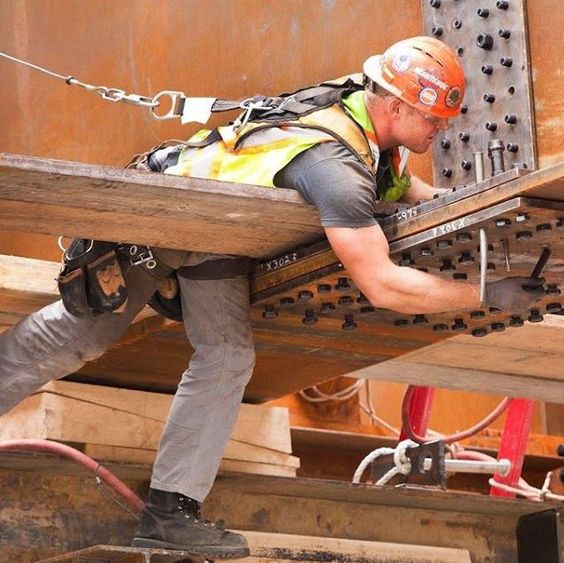
Falls from another level, however, typically result in far more serious injuries, often life-altering or fatal. Every day, construction workers are required to ascend to great heights, working on roofs, navigating steel beams, climbing ladders, and erecting scaffolding. The inherent danger of these tasks is amplified without the diligent use of proper safety equipment, most notably safety harnesses.
A worker on a scaffold without a harness, for instance, faces an unimpeded drop if they lose their footing. Similarly, a roofer not tethered to a secure anchor point is at immense risk. The lack of adequate fall protection, whether due to negligence, insufficient training, or a failure to provide the necessary equipment, is a critical factor in these devastating accidents.
The impact of such a fall can range from severe spinal cord injuries and traumatic brain injuries to multiple fractures and internal organ damage, often requiring extensive medical treatment, long-term rehabilitation, and in many cases, leading to permanent disability or death. The sheer force of impact from even a relatively short fall can be catastrophic.
Equipment-Related Injuries
Construction sites are characterized by their constant hum and roar, a cacophony generated by numerous pieces of heavy equipment operating simultaneously. This environment, while essential for productivity, presents a significant and multifaceted hazard to workers. Equipment-related injuries can manifest in a variety of ways, each with its own set of dangers.
A primary concern is the failure to utilize safety guards on machinery. These guards are designed to protect workers from moving parts, pinch points, and other inherent dangers. Operating a saw without its blade guard, for example, dramatically increases the risk of severe lacerations or even amputation. Equally hazardous is the attempt to perform repairs or maintenance on machinery while it is still “on” or powered. The unexpected activation of a hydraulic arm or the sudden movement of a conveyor belt can lead to crushing injuries, entanglement, or other severe trauma. “Lockout/tagout” procedures, which ensure that machinery is de-energized and cannot be accidentally started during maintenance, are crucial but often neglected safety protocols.
Beyond stationary machinery, construction workers face significant risks from the movement of heavy equipment, motor vehicles, and even handheld power tools. A blind spot for a bulldozer operator can lead to a worker being struck and run over. Forklifts carrying heavy loads can overturn or drop their cargo if not operated correctly. Even a seemingly innocuous power tool can become a dangerous weapon if it malfunctions due to a manufacturing defect or improper maintenance. Imagine a drill that suddenly loses its grip on a bit, spinning wildly and causing injury, or a pneumatic nail gun that misfires. These incidents highlight the importance of not only proper equipment operation but also regular maintenance and thorough inspections to identify and rectify defects before they lead to accidents.
Fires and Explosions: Volatile Environments
Construction sites, by their very nature, are rich in both electrical items and flammable materials, creating an environment ripe for fires and explosions. These incidents, though less frequent than falls, can be devastating, resulting in widespread injuries and fatalities.
Electrical hazards are a significant contributor to fires. Frayed electrical cords, overloaded circuits, improper wiring, and a general disregard for basic electrical safety practices can all spark a blaze. A single faulty connection can ignite nearby combustible materials, rapidly spreading fire throughout a structure or worksite. The consequences for workers caught in such an inferno can include severe burns, smoke inhalation, and fatal injuries.
Explosions, while less common than fires, are often more catastrophic. They can be triggered by gas leaks, particularly from propane tanks used for heating or cutting, or from natural gas lines that are accidentally ruptured. The mixture of dangerous chemicals, often stored on construction sites for various purposes like solvents, paints, and adhesives, can also create explosive atmospheres if not handled and stored correctly. A spark in an area saturated with flammable vapors can lead to a powerful explosion, causing structural damage, shrapnel injuries, severe burns, and concussive trauma to workers. The importance of proper ventilation, adherence to chemical storage guidelines, and rigorous inspection of gas lines cannot be overstated in mitigating these severe risks.
Falling Objects
The inherent verticality of construction work means that falling objects pose a constant and serious threat to workers on lower levels. This is precisely why hard hats are mandatory personal protective equipment on almost all construction sites.
A worker on an elevated platform or roof might accidentally drop a heavy tool, such as a hammer or a wrench. Even a small object, when falling from a significant height, can gain enough momentum to cause a severe head injury. Imagine a rebar or a section of scaffolding becoming dislodged due to inadequate securing, tumbling down and striking a worker below. Such incidents can lead to traumatic brain injuries, severe neck and back injuries, and even death. The force of impact from a falling object can be immense, capable of crushing bones and causing internal damage.
Beyond individual tools or small pieces of equipment, there is also the alarming possibility of an entire structure or a large component of a structure falling if it is not properly supported during construction or demolition.
This could involve an improperly braced wall collapsing, a faulty crane boom giving way, or an unstable trench shoring failing. When such a massive structure collapses, it can trap construction workers underneath tons of debris, leading to severe crushing injuries, asphyxiation, and often, fatalities. The weight of concrete, steel, and other building materials can be overwhelming, making rescue efforts challenging and often too late. Proper engineering, adherence to structural integrity protocols, and diligent monitoring of support systems are paramount to preventing these catastrophic events.
Repetitive Injuries
Construction work is undeniably strenuous and often involves highly repetitive movements and prolonged exposure to challenging environmental conditions. As a result, it is not uncommon for construction workers to suffer from a variety of repetitive motion injuries or exposure-related illnesses, which take a silent but significant toll on their health and careers.
Carpal tunnel syndrome, a common repetitive strain injury, often afflicts workers who frequently use vibrating tools or perform tasks requiring repetitive hand and wrist movements, such as hammering, drilling, or bricklaying. The constant strain can compress nerves in the wrist, leading to pain, numbness, and weakness. Similarly, muscle strains, tendinitis, and bursitis are prevalent due to the frequent lifting of heavy objects, awkward postures, and repetitive bending and twisting motions. These injuries can be debilitating, causing chronic pain and limiting a worker’s ability to perform their job.
Beyond physical strain, construction workers are frequently exposed to extreme environmental conditions. Distress due to extreme cold exposure, such as frostbite or hypothermia, can occur when working outdoors in winter without adequate protective clothing. Conversely, heat exposure can lead to heatstroke, heat exhaustion, and dehydration, especially during summer months or in enclosed, poorly ventilated spaces. Prolonged exposure to loud noises can also lead to hearing loss, a common and often irreversible condition among construction workers. These injuries, while not as immediately dramatic as a fall or explosion, can significantly degrade a worker’s quality of life and lead to long-term health complications and disability.
It is important to note that these are not the sole common construction accidents. The construction industry presents a broad spectrum of hazards. Other serious and frequently occurring causes of construction accidents include trench collapses, where poorly shored excavations can cave in, burying workers alive. Electrocution, resulting from contact with live wires or improperly grounded equipment, is another significant danger.
Violence, while less commonly associated with construction, can occur on job sites, often due to disputes or external factors. Finally, chemical exposure to hazardous substances like asbestos, lead, silica, or various solvents can lead to respiratory illnesses, cancers, and other long-term health problems, highlighting the importance of proper handling, ventilation, and personal protective equipment. The complex and dynamic nature of construction sites necessitates comprehensive safety protocols to protect workers from this wide array of potential dangers.
What You Should Know If You Have a South Carolina Construction Injury
Worker’s compensation laws in South Carolina are no-fault, meaning you are entitled to benefits if you were injured on the job. There are only a few exceptions, such as being intoxicated or committing fraud, which would bar you from collecting benefits.
If you were injured at work, whether it was due to one of these injuries or something else, you are entitled to receive payment for your medical expenses, lost time from work, and permanent impairment. A denial of any of the benefits you are due is not the last word in your case, and you have the right to speak with a qualified South Carolina worker’s compensation attorney about your options.
Consult with an Experienced South Carolina Workers’ Compensation Lawyer
Worker’s compensation law can be complex, and your employer or an insurance company representative may try to mislead you about your rights. Instead, protect your access to these valuable benefits by speaking with a qualified workplace injury attorney.
At Peake & Fowler, our Columbia injury attorneys will put their more than 60 years of combined experience to work for you. Contact us now at 800-946-9461 or reach us online to schedule a free consultation.